

Retail fit outs play a crucial role in transforming spaces and enhancing the shopping experience. As store owners aim to create environments that draw in and captivate customers, comprehending the intricacies of a fit out becomes essential. This process extends beyond simple refurbishment; it is an integrated approach that involves elements of design, branding, and practical usage. With the appropriate strategy, a well-executed retail fit out can significantly boost customer experience and stimulate purchases.
In this detailed overview, we will examine various aspects of retail fit outs, from understanding what they entail to modern trends influencing the sector. Whether you are a store owner looking to redesign your store or someone planning to launch a retail business, this article will provide essential information into how to strategize and implement a effective retail fit out that meets the needs of both your business and your customers.
Grasping Commercial Fitting Outs
A retail fit out refers to the method of changing an empty location into a operational and aesthetically attractive retail space. This involves planning and installing furnishings, furnishings, and layouts that correspond with the business's concept while offering a pleasant shopping atmosphere for customers. A well-executed fit out should also reflect the shop's character but also optimize the use of space to boost customer experience and drive sales.
The fit out method comprises multiple elements, such as floor planning, lighting, signage, and visual presentation. It requires meticulous thought of how these elements come together to establish an inviting atmosphere. An effective retail fit out attracts customers in, motivates them to explore the area, and ultimately persuades them to complete purchases.
By investing in a considerate retail fit out, store owners can significantly enhance their brand identity and foster customer commitment. Website link and utility play key roles in shaping customer perceptions and behaviors, making this an important aspect of retail strategy. A skilled retail fit out can make a lasting impression that stays with shoppers long after they exit the shop.
Developments and Strategies in Commercial Architecture
The shopping environment is continually changing, influenced by changing consumer behaviors and tech advancements. One significant trend is the increasing incorporation of technology into store interiors. Retailers are utilizing augmented reality and engaging displays to create engaging shopping experiences, allowing customers to interact with products in a novel way. This strategy not only boosts customer engagement but also assists in connecting online and physical shopping experiences, making it crucial for modern retail design.
Sustainability is another critical area of emphasis for modern retail fit outs. Environmentally aware businesses are focusing on eco-friendly materials and energy-efficient designs, which not only appeal to environmentally aware consumers but also lower operational costs over time. Approaches such as maximizing natural light, using repurposed materials in shop construction, and utilizing energy-efficient lighting solutions demonstrate a commitment to sustainability while improving the overall aesthetic of the space.
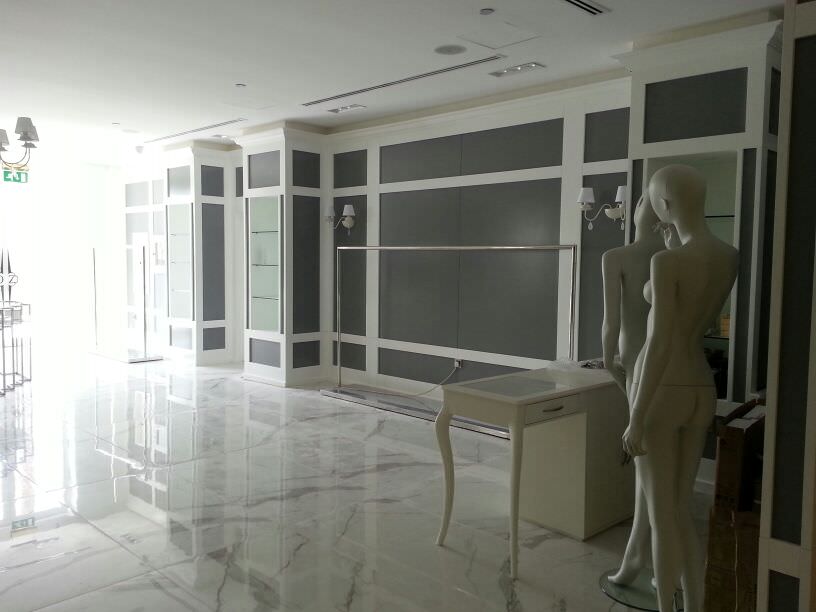
Furthermore, the idea of adaptable retail spaces is gaining popularity. Retailers are recognizing the requirement for flexible store layouts that can adjust to changing trends and seasonal promotions. By employing flexible fixtures and multifunctional areas, stores can rapidly transform their environments to satisfy customer needs or display new products. This trend reflects a broader approach of agility in retail, allowing businesses to stay updated in a dynamic market while maximizing their real estate.
Organizing and Budgeting for Achievement
Strategic planning and budgeting are vital to the achievement of any commercial fit out project. Start by clearly defining your objectives and objectives, which will aid shape the overall layout and functionality of the space. Determine the key attributes you want to include, such as personalized exhibitions, seating areas, or tech features, and order them based on your financial constraints. This preliminary planning phase will act as a roadmap, guiding your decisions as you advance.
Once your goals are set, create a detailed budget that includes all aspects of the fit out. This should include costs for planning, supplies, workforce, and any licenses required. It’s sensible to set aside a contingency budget to address unforeseen costs that might arise during the project. Engaging with a professional commercial design company can also provide insights into practical pricing and ensure that you adhere to your financial limits while still achieving the expected outcome.
In conclusion, maintain dialogue open with all interested parties throughout the fit out process. Regular check-ins and discussions can help deter misunderstandings and keep the project on track. By aligning your goals with practical budgeting and schedules, you can boost the overall efficiency of your retail space, resulting in a successful transformation that attracts and keeps customers.