

Scaffolding is crucial in the building sector, serving as a temporary structure that supports workers and materials during construction tasks. Its value is paramount, as it provides the essential safety and effectiveness that are key for effectively finishing any construction task. Whether you are a construction manager responsible for a large commercial project or a property owner looking to make improvements, comprehending the intricacies of scaffolding is essential.
In this article investigate the multifaceted aspects of scaffold systems, from safety precautions and standards to the varieties available for different tasks. We will dive into the importance of expert setup, the advantages of bespoke structures, and how to pick the appropriate scaffolding setup for your particular requirements. Additionally, we will cover common hazards, maintenance methods, and the function scaffolding has in enhancing productivity on building locations. By the end, you will have a comprehensive grasp of scaffold systems and its key function in building, ensuring that your projects are not only successful but also secure.
Important Safety Guidelines for Scaffold Use
When laboring with scaffolding on building sites, protection should definitely be the highest priority. Before initiating a task, make sure that all scaffolding systems are examined carefully and meet the appropriate regulations and conformity requirements. This involves looking for all issues, making sure proper assembly, and verifying that the load capacity is suitable for the work at hand. https://safetynettingoxfordshire.uk/ cared-for scaffolding system substantially reduces the risk of injuries.
Individuals engaged in scaffolding work must undergo adequate training. This comprises comprehending the appropriate methods for putting together and disassembly, as plus noticing potential risks on-site. Workers should be well-versed in using safety gear and conscious of emergency protocols in the event of an accident. Frequent safety meetings can act as a valuable tool for reminding of best standards and confirming that all workers is informed about protection procedures.
It is crucial to regularly monitor the weather, as they can greatly impact scaffolding safety. High winds, wet conditions, and frost can all pose unsafe conditions. When unfavorable meteorological conditions is forecasted, it may be imperative to briefly pause work on the scaffolding or implement additional precautionary actions. By being vigilant and adaptable to environmental conditions, builders can foster a more secure working environment and reduce risks related to scaffolding.
Types and Applications of Scaffolding
Scaffolding systems come in multiple types, all designed for specific applications in the construction industry. One of the most prevalent types is tube & fitting scaffolding, which consists of individual tubes and fittings that can be configured into different shapes and sizes. This flexibility makes it suitable for complex structures and bespoke projects. Additionally, frame scaffolding is widely used for its simplicity in setup and robustness, making it suitable for both residential and business projects where quick setup is advantageous.
Rolling scaffolding is another common option, as it facilitates easy movement across various areas of a construction site. This type is particularly beneficial for tasks such as surface finishing, maintenance, or repair work, where reach for different heights is needed without the hassle of disassembling and reassembling a stationary scaffold. On the other hand, permanent scaffolding provides enhanced stability and safety for larger construction projects, making it the favored choice for multi-story buildings and extensive renovations where workers require a steady platform for extended durations.
Every type of scaffolding offers distinct functions and meets particular project needs. For instance, industrial scaffolding is designed for large-scale projects, supporting heavy loads and broad work at high heights. Temporary roof scaffolding is also specialized, offering safety and access to rooftops during construction or repair work. Understanding these types and their respective applications is crucial for choosing the appropriate scaffolding system that ensures security, effectiveness, and compliance with regulatory regulations.
Rules and Optimal Approaches
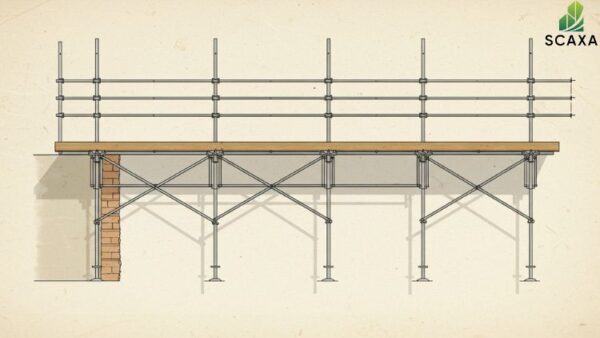
Adhering to scaffolding regulations is crucial for guaranteeing safety and compliance on construction sites. Various standards, such as those set by OSHA in the United States, outline definitive requirements for scaffolding design, construction, and use. These regulations cover key aspects such as load capacities, structural integrity, and safety equipment. Familiarizing yourself with these requirements not only safeguards workers but also aids avoid legal repercussions and project delays.
To promote best practices, it is crucial to establish thorough training programs for all personnel involved with scaffolding. Workers should be trained on safety protocols, proper setup, and maintenance responsibilities. Regular inspections of scaffolding systems are also important; site managers should use detailed checklists to confirm that all components are functioning as intended and securely. Regular communication among team members about safety practices cultivates a culture of accountability and vigilance.
Additionally, incorporating creative solutions such as mobile scaffolding and custom designs can greatly enhance safety and efficiency. These approaches allow for adaptability on the job site while still following regulatory standards. Evaluating environmental factors, including weather conditions, is just as important to confirm stability and safety on scaffolding systems. By embracing both regulations and best practices, construction projects can achieve enhanced safety and efficiency throughout the scaffolding process.