

The journey of a stone mason is a combination of art and expertise, changing raw materials from stone quarries into impressive edifices that can endure for many years. From ancient castles to contemporary homes, the aesthetic and durability of stonework have captivated craftsmen and homeowners alike. Understanding the fundamental skills involved in this time-honored craft can assist property owners appreciate the skill behind each piece and make knowledgeable determinations for their individual undertakings.
As you explore into the domain of masonry, you will uncover not only the intricacies of dealing with different types of stone but also the importance of choosing a experienced stone craftsman, understanding care demands, and recognizing how these edifices can boost your real estate's appeal. As you're planning a custom hearth, a charming veranda, or thorough restoration of a heritage edifice, there are basic factors and issues that every property owner should understand. Embrace the everlasting beauty of natural materials as we journey through the process that starts in the quarry site and ends in the artistry of stonework.
Fundamental Rock Stonework Techniques
Masonry requires a blend of craftsmanship, precision, and artistry, with multiple techniques that every homeowner should be aware of. One foundational skill is rock shaping, where masons use tools and saws to fashion stones to conform to their planned design. Mastering the art of cutting ensures that stones align perfectly together, creating a robust and visually pleasing building. A different essential technique is laying stones, where the mason must carefully arrange the stones in a way that supports their load and follows design requirements. This often involves understanding the principles of gravity and weight distribution, especially for larger structures such as brick walls or fireplaces.
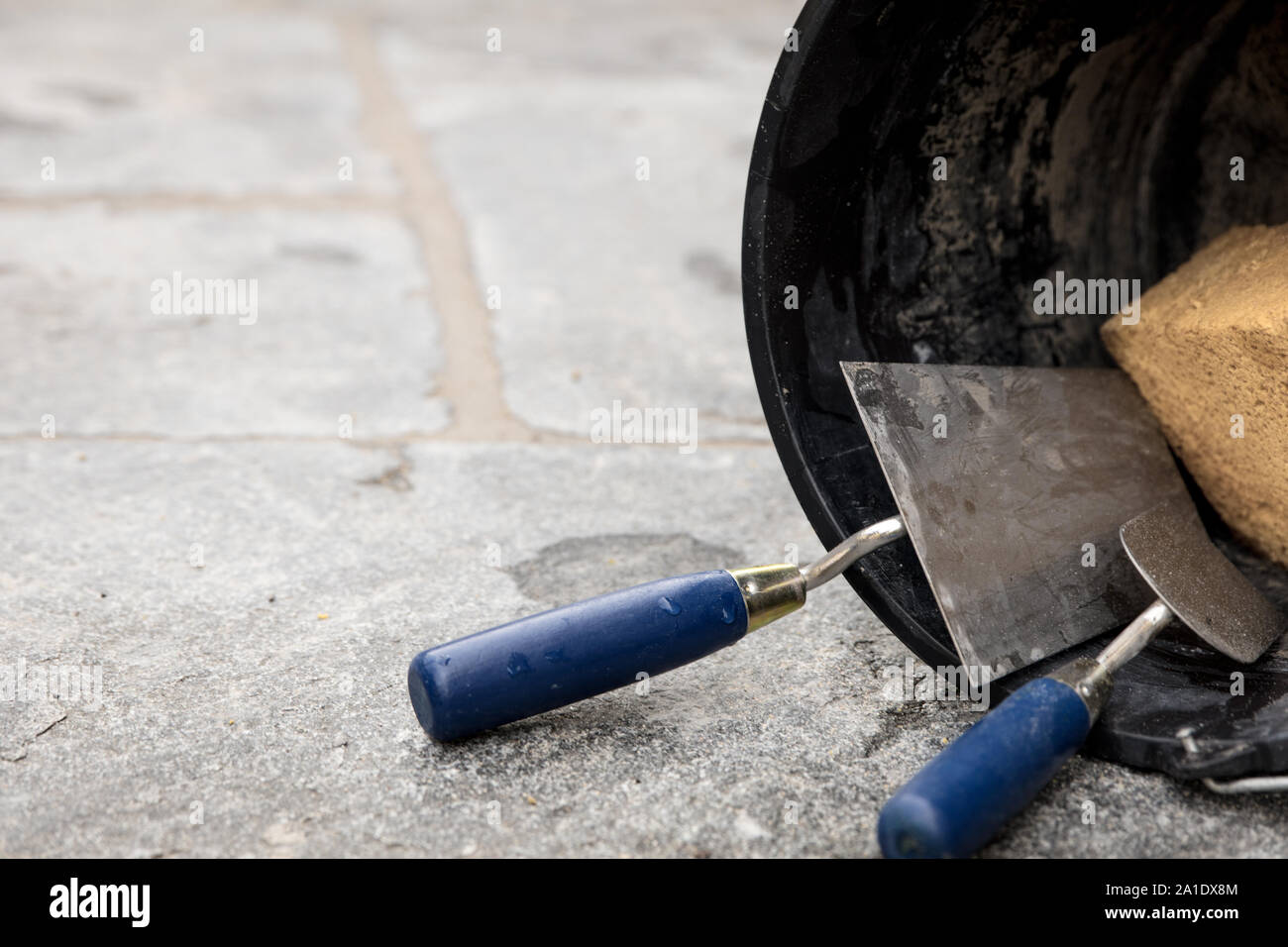
Applying mortar is an additional crucial technique in stone masonry. Properly mixing and applying mortar is vital for creating a durable bond between stones. It’s important that the mortar is not overly dry nor excessively wet, as this can affect the durability and stability of the stonework. Additionally, understanding the different types of mortar, such as lime or cement, allows homeowners to choose the most suitable option for their specific projects. The way mortar joints are treated can also influence the overall look; techniques like joint finishing can enhance both the strength and appearance of the stonework.
Finally, stone masonry restoration techniques are essential for maintaining historic and valued structures. This involves thoughtfully assessing damage and selecting appropriate repair methods that honor the original structure while ensuring the durability of the masonry. Techniques such as repointing and cleaning remove damage and wear, allowing historical buildings to keep their character and originality. Grasping these essential techniques can enable homeowners to not just recognize quality craftsmanship but also make informed decisions when organizing stone masonry projects for their homes.
Choosing and Employing a Stone Masonry Expert
Choosing the appropriate stone mason for your project is crucial for achieving high-quality results. Start by researching Browse around this site and verifying their credentials. Look for individuals or companies with a solid reputation, proper licensing, and insurance. Reading online reviews and asking for recommendations from friends or neighbors who have finished comparable projects can help you identify skilled professionals. It's essential to make sure they have experience with the specific type of stone masonry you require, whether for a boundary wall, patio, or historical restoration.
Once you have a few options in mind, arrange to meet with them in person. This enables you to discuss your vision and gauge their understanding of your needs. Ask to review their body of work showcasing previous work, which can provide you insights into their craftsmanship and attention to detail. Pay close attention to how they communicate, as clear communication and a collaborative approach can make the project run smoothly. Be sure to ask about their availability, as good stone masons often have busy calendars.
In conclusion, obtain detailed quotes from each mason you evaluate. A clear quote should break down costs, including materials, labor, and any additional costs. This transparency helps you compare offers successfully. While it may be tempting to choose the lowest bid, consider the total value, which includes the quality of materials and workmanship guaranteed. Making a well-informed decision when hiring a stone mason can significantly improve the beauty and durability of your stone project.
Maintenance and Repair of Rock Works
Maintaining stone works is crucial for protecting their aesthetic appeal and strength over the long term. Frequent cleaning and evaluation can prevent issues such as lichen or moss growth, which can retain humidity and lead to deterioration. Homeowners should choose mild cleansing products and refrain from aggressive chemicals that can harm the rock. In addition, keeping gutters clear and maintaining efficient drainage will stop water from pooling around the footing, mitigating the possibility of harm from temperature fluctuations.
Renovation of stone structures often entails repairs to fissures, blemished areas, or loose stones. It is important to consult a qualified stone mason for these duties, as they have the expertise needed to duplicate the authentic materials and techniques used in the structure's construction. They can also evaluate underlying concerns that may not be directly visible, providing a thorough renovation approach that prolongs the lifespan of the stonework.
In addition to restorations, strengthening methods such as repairing fissures with concrete or adding protective sealants can improve the durability of rock buildings. Householders should plan on scheduling regular inspections every few seasons to assess the health of their stonework. By implementing proactive measures, they can make sure that their stone buildings not just preserve their visual appeal but also keep their strength for generations to come.