

The field of structural engineering is a pivotal discipline that fuses creativity with engineering, playing a important role in the creation of safe and resilient infrastructures we rely on daily. From soaring skyscrapers to intricate bridges, engineers in the field are the professionals who ensure these constructions remain standing amid the forces of nature. As the world moves towards sustainability, the field is rapidly evolving, embracing green engineering practices that prioritize environmental responsibility while delivering innovative solutions.
In this article, we will explore various aspects of structural engineering, including its importance in modern construction and the key role structural engineers play in creating sustainable structures for the next generation. We'll examine the trends shaping the future of the field, the typical materials used, and how they collaborate with architects to bring innovative designs to life. Join us as we uncover the incredible journey of structural engineering and its commitment to building a greener future.
The Role of Civil Engineers in Contemporary Construction
Civil engineers play a vital role in the architecture and construction of structures and systems. They are responsible with ensuring that buildings can endure the various stressors they encounter, such as mass, air movement, and tremor activity. By utilizing principles of physics and materials science, civil engineers produce safe and robust blueprints that meet the requirements of customers while following local laws and building codes. Their knowledge is important in making well-grounded decisions about the materials and techniques used in a endeavor, which can greatly affect its sustainability and longevity.
In contemporary construction, teamwork is key, and building engineers work together with designers and other experts to transform a concept to life. They contribute to the planning procedure by providing insights on how to balance visual appeal with engineering integrity. This partnership ensures that the ultimate product not only appears pleasing but also performs safely and efficiently. The integration of new technologies, such as 3D design and modeling, has transformed the way structural engineers share their thoughts, enabling more effective illustration and more exact predictions of structural performance.
As society transitions towards more eco-friendly practices, civil engineers are increasingly dedicated on integrating green materials and new construction methods into their designs. This move toward sustainable engineering is crucial for creating buildings that lessen environmental impact while enhancing energy efficiency. By embracing these green practices, building engineers not only enhance the performance of buildings but also play a role to the overall aim of minimizing humanity's effects on the environment, creating the way for a more adaptable future.
Sustainability in Civil Construction
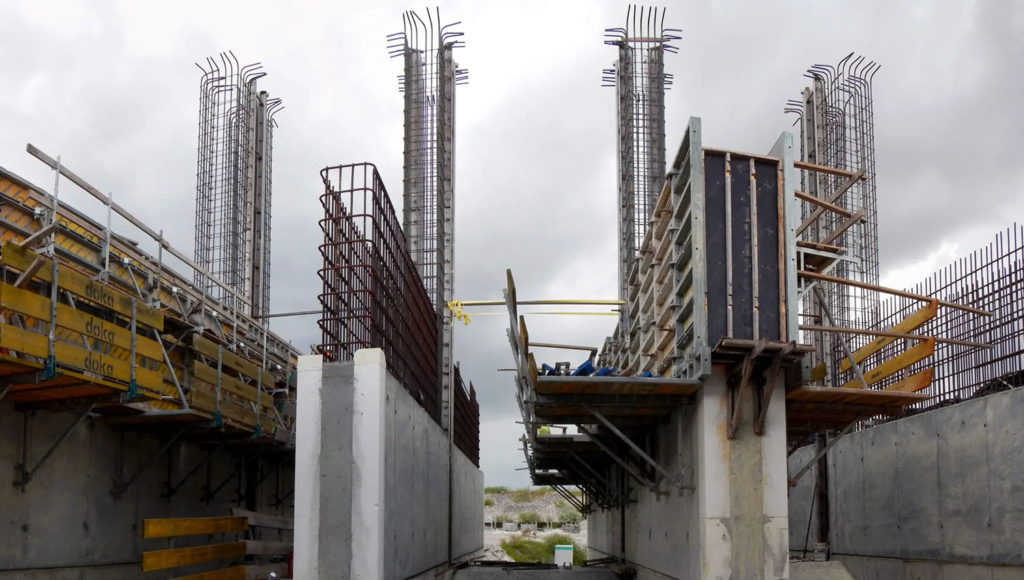
Sustainability in civil construction focuses on reducing the ecological footprint of building while enhancing efficiency and durability. Civil engineers are increasingly evaluating the life cycle of materials, opting for those that are renewable, recycled, or have a reduced environmental footprint. By utilizing sustainable materials such as natural bamboo, recycled timber, and recycled steel, engineers can significantly lower the ecological footprint of building projects.
Furthermore, eco-conscious design extends beyond material selection to include energy-saving building practices. Structural engineers work together closely with designers to design buildings that optimize daylight, enhance energy efficiency, and minimize waste during the building process. Techniques such as designing passive solar designs or adding green roofs not only improve the aesthetic appeal of a building but also support its eco-friendliness by lowering energy consumption and promoting biodiversity.
As we move into the years ahead, innovations in technology and materials will further shape sustainability in civil construction. The rise of intelligent systems allows for better monitoring and maintenance of buildings, ensuring they remain safe and effective over their lifespan. Additionally, advancements such as 3D printing and modular construction are paving the way for more eco-friendly approaches, minimizing material waste and enabling quicker, more efficient construction processes.
Breakthroughs Shaping the Next Generation of Infrastructure
The domain of structural engineering is undergoing significant change, with innovative methodologies and approaches paving the way for more efficient green, and resilient infrastructures. One of the most significant advancements is the incorporation of advanced materials such as fiber-reinforced composites and self-repairing concrete. These materials not only improve the strength and resilience of infrastructures but also contribute to reducing the overall environmental impact. By employing high-performance materials, design professionals can design structures that are lighter and more effective while minimizing waste.
Technological advancements are also essential in transforming structural engineering. The rise of digital modeling allows engineers to create virtual models of structures, enabling better collaboration between design teams and builders. Structural Engineer Epsom Surrey allows for quick spotting of anticipated issues, enhancing both the building process and the finished project. Furthermore, the use of artificial intelligence and machine learning in structural assessment is helping designers make informed choices, enhancing safety and performance standards in construction projects.
Sustainability remains at the center of structural engineering innovations. Techniques such as prefabrication and adaptive reuse are increasingly adopted, allowing for sustainable development techniques. These methods not only limit excess but also promote resource efficiency and resource conservation. As structural engineers continue to integrate these innovative approaches, the industry is advancing towards a horizon where buildings are not just constructed for durability but also crafted to integrate with their ecosystem and respond to the demands of a changing environment.