

Within the realm of modern construction, a structure's foundation of any building plays a crucial role in determining its overall strength, safety, and durability. Among the multiple types of foundations, piled foundations stand out as essential elements, especially when it comes to supporting tall skyscrapers. These subsurface foundational systems are designed to convey the immense loads of big structures to subterranean, more stable soil layers, ensuring that even tallest buildings can endure the forces of nature and the test of time.
Comprehending what piling foundations are and why they are essential is critical for anyone involved in construction or real estate development. Whether you are a experienced engineer or just starting in the field, this article will walk you throughout the basics of piling foundations, including how they work, the multiple types at your disposal, and the circumstances that necessitate they are necessary. With insights into innovations in piling technology and environmental considerations, this article aims to provide a thorough overview, illuminating why piling foundations are often considered the cornerstone of skyscraper construction.
Understanding Piling Foundations
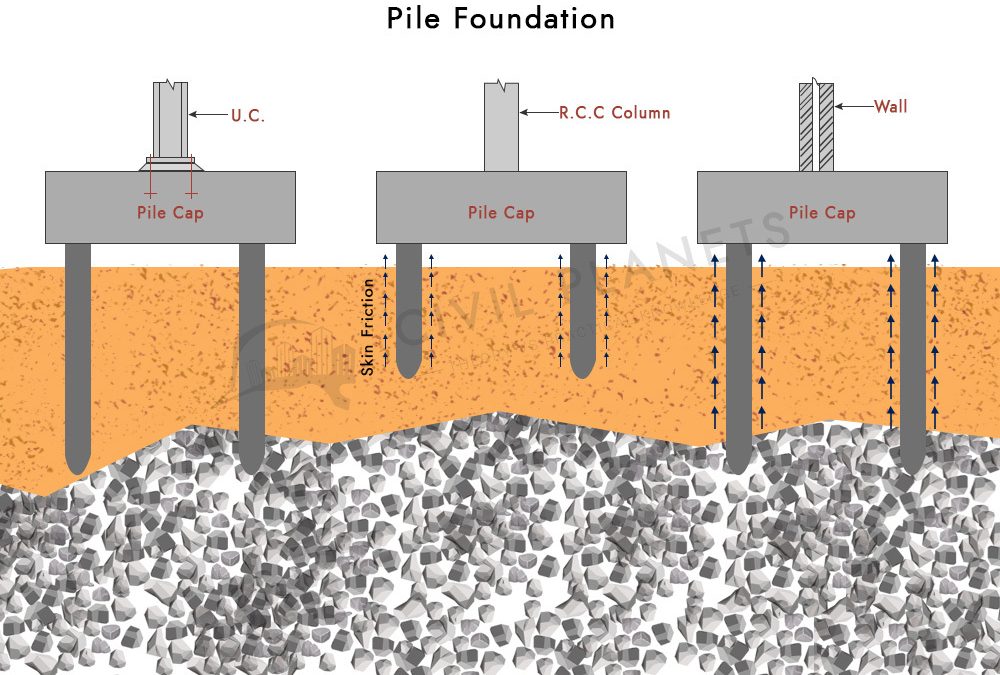
Pile foundations are customized deep foundations that furnish structural support by transferring loads from a building to deeper, more stable soil or bedrock layers. These foundations consist of long, slender columns or piles that are drilled into the ground. Piling is https://pilingcontractorsderbyshire.co.uk/ in construction where the upper soil layers are too weak to support heavy loads, making it imperative for skyscrapers and other tall structures that demand extraordinary stability.
The value of pile foundations lies in their ability to tolerate substantial forces, including loads from compressive loads, tension, and lateral pressures. By embedding the structure deep into the ground, piles can resist settlement, which is the slow sinking of a structure, making them an ideal choice for high-rise buildings, bridges, and structures built on difficult terrains, such as coastal areas or regions with poor soil conditions.
Choosing the right type of piling foundation is essential to ensuring the safety and longevity of a structure. Engineers evaluate various factors, including soil characteristics, load requirements, and environmental conditions, to determine the most efficient piling solution. With advancements in technology, advanced piling methods and materials continue to emerge, enhancing the effectiveness and sustainability of pile foundations in modern construction projects.
Types and Applications of Piling
Foundation foundations can be grouped into two main categories: driven piles and bored foundations. Driven piles are prefabricated and installed by getting driven into the earth using a pile driver, while bored piles are made by drilling a hole into the ground and then filling it with cement. The choice between these types largely is based on the soil type, project needs, and environmental factors. Each type has its unique set of advantages, making them appropriate for various applications in construction.
The applications of piling foundations are extensive and differ based on the kind of building being constructed. For instance, driven piles are often used in urban environments for tall structures due to their speed of installation and reduced noise. Bored foundations, on the other hand, are frequently employed in areas where shaking need to be limited, such as in proximity to current buildings or in more challenging geological settings. Additionally, specialized foundations like mini piles and micro piles are used in tight spaces or for projects requiring more discreet techniques.
In coastal construction, the use of piles is essential due to the insecure and often loose ground along the coast. Here, these foundations not only support buildings but also withstand lateral forces from waves and tides. Using appropriate techniques in these settings ensures that buildings can endure the unique challenges posed by their environment, highlighting the importance of choosing the appropriate foundation type tailored to particular site needs and the requirements of the structure.
Installation and Development Considerations
When organizing the implementation of pile foundations, designers must consider various site-specific variables that impact design and execution. Soil conditions, loading needs, and environmental impacts all play a critical part in the choice of pile type and installation method. Conducting thorough soil studies helps determine soil characteristics and stability, guiding engineers in determining whether to use static or drilled piles. Proper analysis ensures that the selected foundation system can sufficiently support the intended load while minimizing risks associated with soil settlement and instability.
The design of piling foundations must also conform with local regulations and construction standards, which vary by region. Professionals need to incorporate considerations such as earthquake risk, wind loads, and likely flooding into their foundation design. By addressing these considerations upfront, project teams can avoid costly redesigns and delays during execution. Partnership with soil experts and structural engineers throughout the design phase boosts the foundation's effectiveness and safety.
Finally, procedures must be meticulously planned to ensure smooth operations and precision. Developing a detailed installation schedule that outlines each step—from site preparation and pile driving to load testing—is essential for timely project delivery. Moreover, utilizing modern technology such as mechanized pile load testing and monitoring systems can enhance installation accuracy and provide live feedback to contractors. This integrated approach to setup and design helps ensure that piling foundations perform effectively over the life of the structure, reinforcing their critical role in tall building construction.