

In recent years, automotive remapping has gained traction as a favored method for car lovers and everyday drivers alike who seek to access the maximum capabilities of their vehicles. But what precisely is vehicle remapping, and how does it operate? As innovation progresses, the possibilities for vehicle enhancement present drivers with thrilling chances to boost performance and effectiveness. If you're aiming to enhance speed, increase economy, or merely enjoy a more nimble driving feel, grasping the details of engine control unit remapping is essential.
This comprehensive guide explores the craft of vehicle remapping, exploring the multitude of benefits it provides, the science behind it, and the considerations to keep in mind. From evaluating the pros and cons to assessing whether it's secure for your automobile, we will explore the essential aspects of the remapping process. Accompany us as we examine everything from the differences between reprogramming and tuning to the upcoming trends of this method in an developing car industry. With the right knowledge, you can make informed decisions about unlocking the performance of your vehicle.
Comprehending Automobile Reprogramming
Automobile remapping refers to the method of modifying the car's engine control unit to optimize performance characteristics. The ECU is responsible for managing various engine parameters, including fuel injection, ignition timing, and turbo boost levels. By altering the software of the engine control unit, technicians can enhance power delivery, torque delivery, and mileage. This method often requires uploading a new map, or set of instructions, that alters how the engine operates.
The remapping process typically commences with a diagnostic evaluation to assess the vehicle's existing performance and pinpoint any possible problems. Once the starting point is established, a new configuration is created based on the owner's goals, whether that's enhancing horsepower, improving fuel consumption, or a combination. This map is then flashed onto the ECU, effectively altering how the engine responds to driver commands. It is a careful equilibrium (and art) of boosting capabilities without jeopardizing dependability or longevity.
Reprogramming can be carried out on multiple types of vehicles, including those with turbocharged engines, which often see the most substantial improvements. However, it's important to select the right remapping technician who grasps the intricacies of your individual engine configuration and model. A poor remap can lead to undesirable outcomes such as elevated emissions, diminished reliability, and even damage to the engine. Hence, comprehending the fundamentals of automobile remapping is crucial for any car enthusiast looking to enhance their driving experience.
Advantages and Risks of Remapping
Vehicle remapping can deliver a range of benefits that attract many drivers seeking enhanced vehicle performance. One of the primary benefits is the increase in power and torque output, allowing for improved acceleration and a more satisfying driving experience. Additionally, optimal remapping can lead to better fuel efficiency, helping drivers save on fuel costs over time. Many users also experience gains in throttle response and engine smoothness, resulting in everyday driving more enjoyable.
However, there are potential risks associated with car remapping that should not be overlooked. Altering the engine's original settings can lead to heightened wear and tear if not done correctly. This might lead to unforeseen mechanical issues down the line, as the vehicle's components may not be designed to handle the additional performance demands. Furthermore, poorly executed remaps can lead to engine knocking or overheating, which can cause serious damage.
Another factor is the impact on vehicle warranties and insurance. Many manufacturers will void warranties if they discover that a car has been remapped, complicating any future repairs or servicing. Additionally, some insurance providers may adjust premiums or refuse coverage altogether if they discover a remap, as modifications can change a vehicle's risk profile. It is crucial for car owners to consider these risks against the potential benefits before choosing to proceed with remapping.
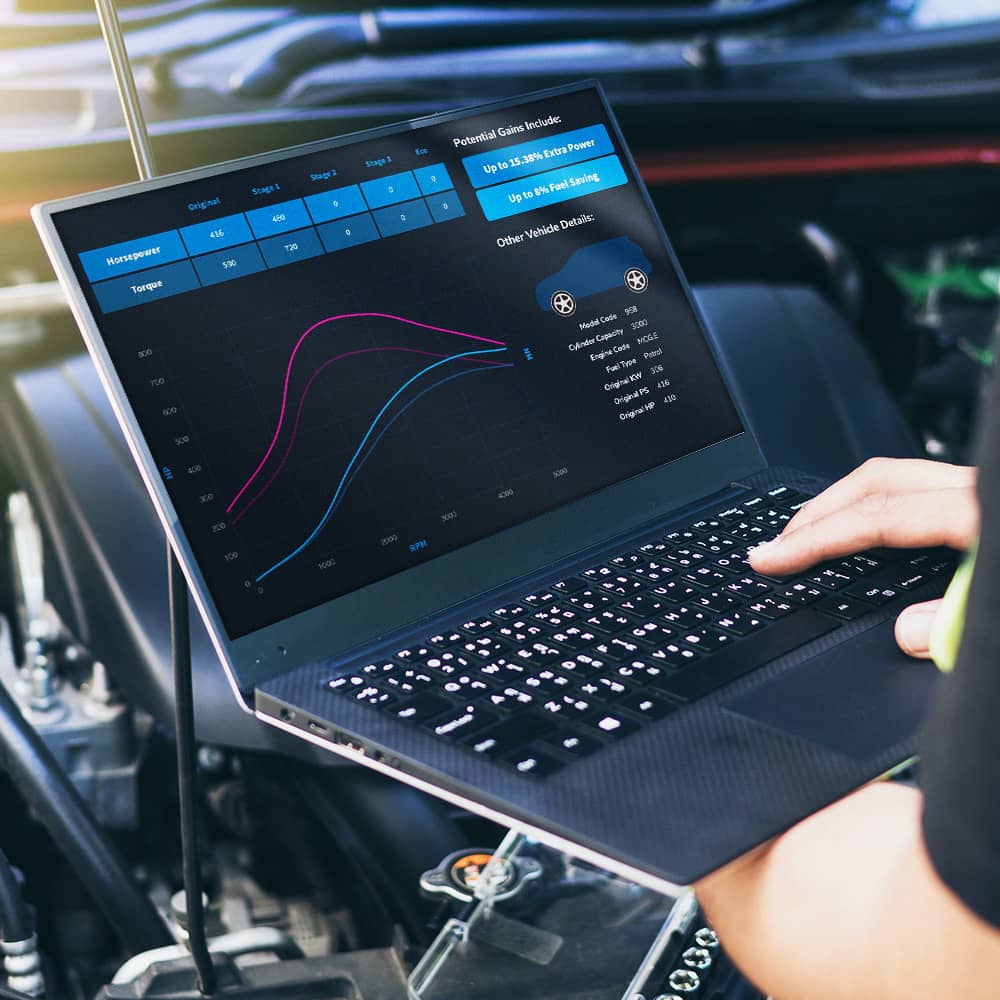
Choosing the Appropriate ECU Remapping Service
In the process of evaluating car tuning, picking the appropriate company is crucial for gaining ideal performance and guaranteeing the safety and reliability of your vehicle. Commence by researching local specialists who have a strong reputation and are known for their expertise in ECU remapping. Check reviews and testimonials from previous customers to evaluate their satisfaction. A reliable remapping provider will not only offer competitive prices but will also have a clear understanding of multiple vehicle makes and models, ensuring customized solutions.
It is equally important to ask about the technology and software used by potential remapping services. Discover more here -quality remapping requires using advanced equipment and software to make precise adjustments to your automobile's ECU. Companies that offer custom remapping, as opposed to standard maps, are typically preferable to enhance your car's performance and efficiency. Additionally, ask whether they provide a promise for their remapping work, which can give you peace of mind regarding the job done.
Finally, consider the level of customer service offered by the remapping specialist. A reputable provider should be willing to take the time to clarify the remapping process, answer your questions and tackle any concerns you may have. Clear communication is vital, especially in understanding how the changes may affect your vehicle’s performance and overall driving experience. By choosing a service that values customer interaction and satisfaction, you can feel more assured in your decision to remap your automobile.