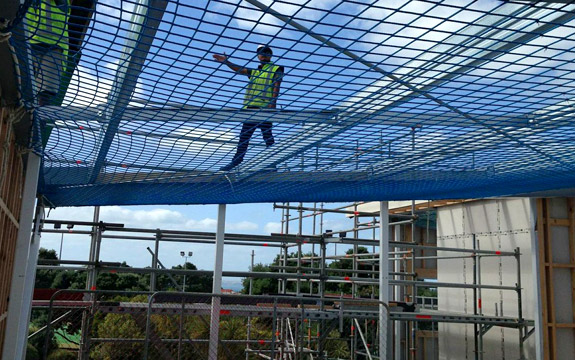
In today's rapidly changing construction environment, ensuring employee protection is increasingly important than ever. As the complexity of modern construction sites growing, so too are the dangers associated with falls and accidents. This renders safety netting an indispensable element of risk management strategies. Through offering a protective barrier, safety netting not just safeguards workers from falls but also provides peace of mind, with the assurance of having an additional layer of security in place.
Safety netting is more than a mere compliance issue; it is a core aspect of a well-rounded safety plan. Understanding what safety netting is and its vital role in construction projects can lead to improved worker safety and adherence to regulations. Ranging from high-rise buildings to infrastructure projects, the effective implementation of safety netting can considerably reduce liability and improve overall site productivity. In the following sections, we will examine the various aspects of safety netting, its significance, and how it promotes a more secure work environment for all personnel.
Grasping Netting for Safety: Significance and Implementations
Safety netting is an essential part in current building and remodeling projects, acting as a critical part in risk management strategies. It delivers an effective fall protection system by establishing a secure barrier that captures individuals and materials that may fall from lofty job sites. This not only protects workers but also safeguards the public from potential injury due to falling debris, making netting for safety essential for maintaining compliance with safety regulations.
The applications of safety netting extend beyond mere fall prevention; they have a vital role in enhancing general site safety. Netting for Safety Netting Abingdon-on-Thames Oxfordshire is used in various situations, such as high-rise constructions, bridges, and tunnel projects, where the threat of falls is greatly heightened. Its ability to fit different environments allows project managers to tailor solutions that fit specific job site needs while ensuring worker safety and productivity.
Furthermore, understanding the significance of netting for safety can lead to more knowledgeable decisions regarding its implementation and maintenance. With the proper safety netting in place, contractors can minimize liability risks and enhance site confidence, ultimately leading to easier operations. Ensuring correct installation, routine inspections, and adherence to safety standards further emphasizes the role of netting for safety in ensuring the safety of workers and the stability of the job site.
Essential Tips for Safety Netting Installation and Maintenance
Correct setup of safety netting is essential for providing maximum safety on construction sites. To begin, it is important to select the suitable type of netting based on the specific project specifications, such as load ratings and surrounding factors. When setting up, ensure that all tie-downs and attachments are secure, and that the netting is adequately stretched to avoid drooping. Ongoing checks during the installation phase support to identify any likely issues early on, ensuring that the safety netting can effectively operate its guarding purposes.
Maintenance plays a key role in the lifespan and effectiveness of protection netting. Frequent check-ups should be planned to assess the state of the netting, searching for evidence of deterioration, fraying, or harm. Compliance with manufacturer recommendations for care intervals is important, as is maintaining detailed records of inspections and any repairs made. On-time maintenance not only increases the lifespan of the safety netting but also boosts the total safety of the job site.
In furthermore to ongoing inspections, it is essential to educate the employees on the importance of safety netting and the appropriate procedures for its deployment. Training sessions should cover the benefits of safety netting, how to communicate damage, and the steps to implement in case of an occurrence. Encouraging workers to take proactive roles in maintaining protection netting helps to foster a culture of security, where everyone knows their roles regarding compliance on the work area.
Safety Netting Regulations and Adherence for Contractors
In the building sector, netting safety guidelines play a crucial role in ensuring the well-being of workers and the public. Contractors must grasp and adhere to Occupational Safety and Health Administration (OSHA) standards regarding protection against falls. OSHA standards specify the specifications for the setup, maintenance, and employment of safety netting on work sites, emphasizing the importance of appropriate design and positioning to stop falls and events. Omission to follow these regulations can lead to monetary penalties, delays in projects, and greater risk.
Contractors should consult local building codes, safety standards, and prevailing industry practices when installing safety netting. These codes often dictate the parameters for types of netting materials, weight limits, and methods of installation based on the type of project and environment. Regular training and safety meetings can help confirm that all personnel are knowledgeable about the compliance standards and can identify potential danger related to safety netting.
Moreover, keeping documentation of compliance and inspection records is important for contractors. Maintaining thorough records merely shows compliance with regulations but also helps recognize areas for improvement in safety practices. By emphasizing safety netting compliance, contractors can boost the safety of workers, minimize legal risks, and promote a environment of safety on job sites.