

Transforming the facade of your house or business can be a challenging endeavor, but with cladding application, it is a smooth and budget-friendly solution. The process of cladding spraying offers a vibrant layer of paint or finish to existing areas, enhancing the aesthetic look and enhancing the total worth of your building. This contemporary method not only refreshes the facade of properties but also provides essential protection against the natural forces, helping to prolong the duration of outdoor surfaces.
As we delve into the art of cladding application, you will find out the numerous benefits this offering offers. From impressive overhauls that can revive into business structures to the detailed preparation processes that secure lasting results, the cladding process is turning into the go-to option for many business owners. Whether you are thinking about an upgrade for your house or seeking revitalize your corporate identity through your commercial space, learning about this technique can lead you to the perfect resolution for your needs.
Understanding Cladding Spraying
Exterior coating is a contemporary technique used to put on protective and ornamental layers to the surface facades of properties. This technique involves the use of specific spraying machinery to apply a uniform layer of paint or layer on various exterior materials, such as steel, timber, or composite panels. The main goal is to improve the appearance of the property while providing a barrier against external elements like water, ultraviolet light, and contaminants.
One of the primary advantages of using this method is its speed. It allows for a quicker execution compared to traditional methods, such as manual brushing or rolling. The spraying method ensures a polished coat that adheres well to the surface, decreasing the chance of imperfections or spotty application. Additionally, this approach reduces the necessity for extensive preparatory tasks, resulting in faster work completion times and reduced disturbance to the occupants.
Comprehending the available options of coatings offered for this technique is important for making smart decisions. From environmentally friendly options to high-performance finishes designed to withstand harsh weather, each choice offers special benefits. By selecting the suitable resources and utilizing them correctly, developers can significantly boost their building's appearance and sturdiness, ensuring that the facades remain bright and protected for years to come.
Advantages of Cladding Coating
Cladding coating offers a plethora of advantages that make it an attractive selection for property owners. One of the main benefits is its capacity to enhance the aesthetic look of a building. With a varied array of colors and textures available, cladding coating can modernize the appearance of both home and business properties, which may enhancing their resale price. This change can considerably enhance the aesthetic impression of a building, attracting more interest, which is particularly beneficial for companies looking to draw clients.
Another major benefit of cladding spraying is its durability. The finishes used in the spraying process are designed to resist severe climatic conditions, ultraviolet rays, and other environmental factors, providing sustained safeguarding to the underlying materials. This durability translates to minimized maintenance costs and a lower frequent need for fixes or substitutions, making it a economical option in the extended period. Additionally, the right products can help protect against fungus and mold growth, further prolonging the durability of your building's exterior surfaces.
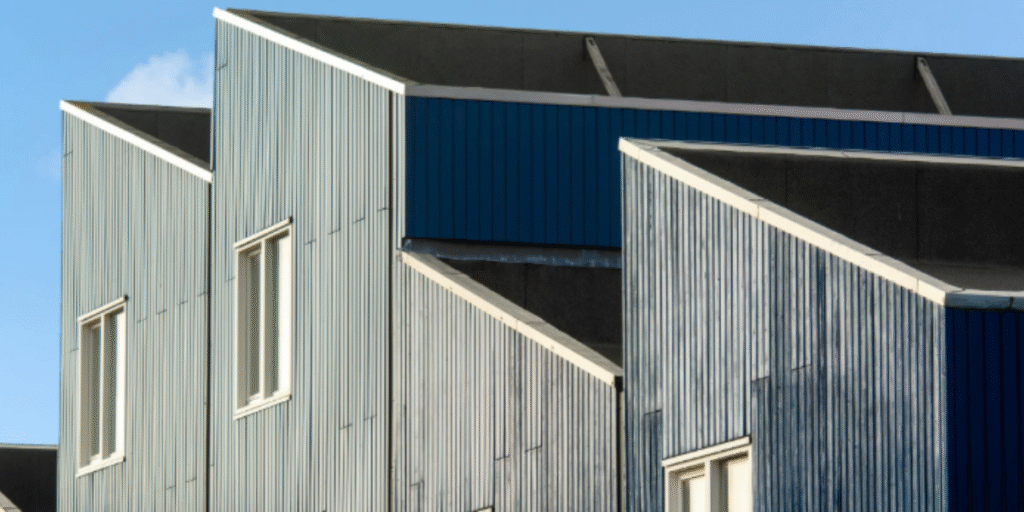
To sum up, facade spraying is an streamlined process that minimizes interference to your normal activities, particularly for commercial buildings. Unlike full facade overhaul, which can take weeks or extended periods and require major inactivity, facade coating can often be completed in a small portion of the duration, allowing companies to carry on their functioning with little interruption. This efficiency, combined with the ecological advantages of using green finishes, positions cladding spraying as a smart option for property upgrades, appealing to both property owners and environmentally consumers.
Spraying Cladding vs. Reconstruction
When considering options for maintaining buildings, cladding spraying and replacement of cladding are two prominent choices. Cladding replacement often involves significant labor and materials, resulting in lengthy downtimes and increased overall expenses. On the other hand, spraying cladding is a much quicker and more efficient solution, allowing building owners to improve their building's appearance without the major interruptions associated with reconstruction. Spraying can revitalize existing surfaces, providing a new appearance and better defense without needing to strip and replace existing materials.
Another key factor in the decision between spraying and replacement is environmental considerations. Spraying cladding minimizes waste by utilizing existing materials, thereby lowering the ecological footprint that comes with tearing down and disposing of outdated cladding. https://onsite-spraying-services.co.uk/best-cladding-spraying-lincolnshire/ supports eco-conscious construction but also offers a cost-effective upgrade that aligns with many businesses’ sustainability goals. Additionally, recent spraying methods can employ cutting-edge coatings that provide better protection and longevity, enhancing the strength of the building against environmental factors.
Ultimately, the choice between spraying cladding and reconstruction often hinges on budget, time limitations, and intended results. For buildings needing aesthetic upgrades and protective enhancements, cladding spraying presents a viable alternative that balances excellence and efficiency. However, for structures with severe damage or integrity problems, complete reconstruction may still be essential. Evaluating the extent of the required work can help property owners decide on the best course of action, ensuring their buildings remain functional and visually appealing for the long term.