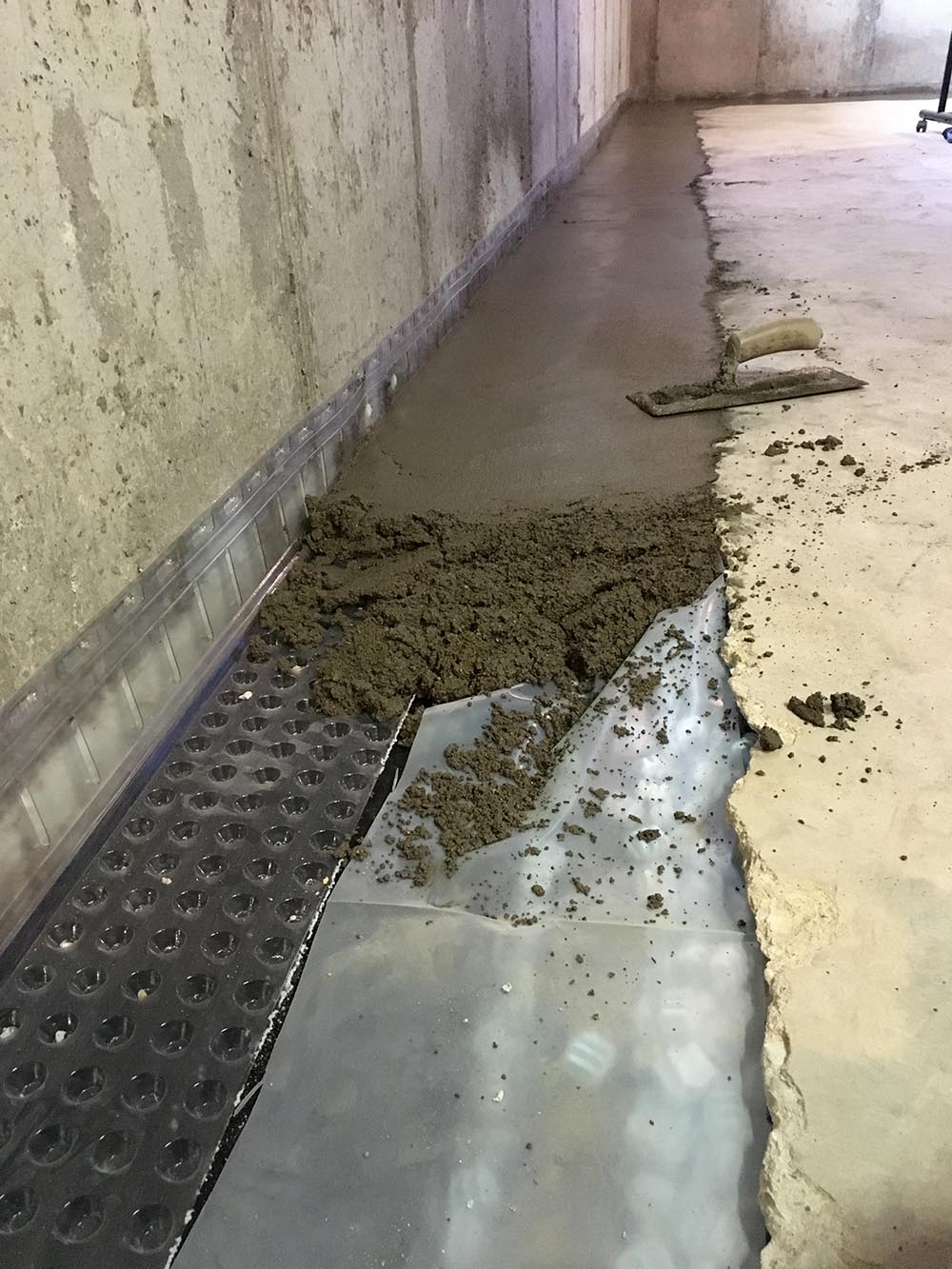
In terms of safeguarding your home, one key area that often is overlooked is the basement. Many homeowners do not appreciate the significance of effective basement waterproofing, which can lead to a number of problems including mold growth, structural damage, and decreased property value. With the right knowledge and resources, you can turn your damp and musty basement into a dry and usable space. Home page seeks to shed light on the cutting-edge solutions provided for basement waterproofing, ensuring that your home remains protected and sound.
Recognizing the signs that your basement needs waterproofing is the first step toward preserving your home. From musty odors to noticeable water damage, there are several indicators that can signal a potential problem. Whether you are considering DIY methods or planning to hire a professional contractor, knowing the various basement waterproofing options will enable you to make wise decisions. Let’s explore everything from the special benefits of interior and exterior waterproofing to the latest technologies shaping the future of this important home improvement.
Indicators That Your Basement Needs Waterproofing
Many homeowners may not realize the indicators that show their basement is needing moisture control. One of the prevailing indicators is the appearance of dampness on the floor and walls. If you see any signs of standing water or wet areas, it is important to resolve the issue promptly. Ignoring these early warnings can lead to larger complications, including the growth of mold and damage to foundations.
Another obvious sign is the appearance of fungus or mold. If you smell a musty smell or notice marks on walls, it is important to examine further. These problems can not only affect the air quality in your home, but they can also lead to health risks for you and your family. Mold thrives in wet environments, and without proper waterproofing, these fungal spores can expand fast.
Lastly, be aware of any noticeable cracks or gaps in your basement walls. These openings can permit liquid to get in into your basement, especially during significant rain or snow melt. If you observe gaps that are exceeding a quarter of an inch, it’s a strong indication that your basement is at risk of moisture infiltration. Promptly handling these indicators can prevent high repair costs in the long run.
Basement Waterproofing Methods
When it comes to waterproofing your cellar, there are several methods available, each with its own benefits. Internal waterproofing centers on controlling the moisture that infiltrates your basement, often through leaks and seepage. This can involve using coatings to walls and ground, setting up drainage systems, or utilizing sump pumps to manage water that collects. While these solutions are easier and typically less expensive, they might not address the root cause of the water problem.
On the other hand, outside waterproofing is a more comprehensive strategy that entails addressing the water before it even gets to your cellar. This usually entails excavating around the base and putting on waterproof coatings, as well as ensuring proper slope and drainage leading away from the house. Although it can be more expensive and labor-intensive, outside methods can provide greater peace of mind and long-term protection against severe moisture issues.
Another choice is a combined approach, merging both interior and exterior solutions for maximum effectiveness. This method can be particularly beneficial in areas with high groundwater levels or regular rainfall. Regardless of the method chosen, it is crucial to evaluate your specific situation and consider factors such as the cost, time, and possible disruptions to your house during the waterproofing process.
Cost and Value of Waterproofing
The cost of waterproofing a basement can vary greatly depending on multiple factors such as the kind of waterproofing method, the dimensions of the basement, and the current conditions that need to be resolved. Property owners should anticipate to spend anywhere from a few hundred to several thousand USD. For example, basic DIY solutions may provide short-term relief, while professional services like interior drainage systems or external digging can be more expensive but offer long-term protection. It is essential to get several quotes and understand what is covered in each quote.
Investing in the waterproofing of your basement not just protects your home from moisture damage but can also considerably boost its worth. A dry and safe basement increases the overall appeal of the home, making it more attractive to potential buyers. Home inspection reports often emphasize the condition of the basement, so fixing any water problems before selling can prevent negotiations from benefiting the buyer. In regions with high rainfall or flooding risks, a waterproofed basement is often regarded as a crucial attraction.
Moreover, the lasting benefits from waterproofing can be significant. Waterproofing helps avoid expensive fixes due to moisture damage, mold growth, and structural issues. By addressing waterproofing ahead of time, homeowners can avoid the cost of emergency repairs after a deluge or prolonged humidity exposure. Ultimately, the initial investment in waterproofing can lead to improved peace of mind, improved air quality, and a healthier living environment.